
Cat Sneezing A Lot
Noticing your cat is sneezing might seem harmless at first, but frequent or ongoing episodes can point to something more going on behind the scenes. Whether the sneezing started suddenly or has become part of your cat’s daily routine, it’s important to understand the possible reasons why. This blog will discuss the many causes of sneezing in cats, when to reach out to your veterinarian, and how Veterinary Village can help. If your cat is sneezing a lot and you’re not sure what to do next, this blog is for you. Read on to learn more about what could be behind your cat’s sneezes and when it’s time to schedule an appointment.
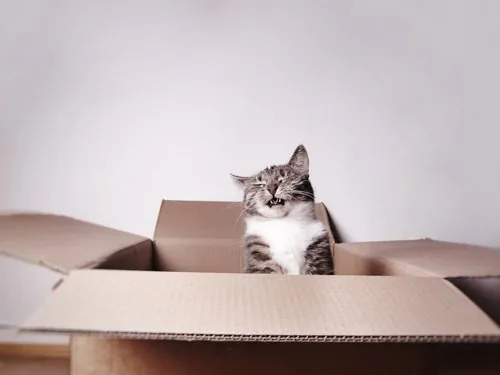
Achoo! Why Your Cat Can’t Stop Sneezing
Cats sneeze for a variety of reasons. Some causes are minor and short-lived, while others may require veterinary attention. If your cat is sneezing a lot, it’s important to consider both environmental and medical factors. Sneezing is the body’s way of clearing irritants from the nasal passages, but repeated sneezing could indicate something more persistent.
Environmental Irritants
Dust, pollen, smoke, air fresheners, and cleaning products can irritate your cat’s nasal passages. Cats are highly sensitive to airborne particles, and even subtle changes in their environment can lead to a sudden increase in sneezing. If you’ve recently changed your cleaning routine or added a new fragrance to your home, your cat may be reacting to that.
Seasonal Allergies
Just like people, cats can experience seasonal allergies. Pollen, mold, and other allergens common in spring and fall may lead to sneezing, watery eyes, or nasal discharge. If your cat sneezes a lot during specific times of the year, allergies could be to blame.
Infections That Can Lead to Frequent Sneezing
When a cat is sneezing a lot, one of the most common culprits is an upper respiratory infection. These infections are especially common in kittens and cats who have recently been adopted from shelters or rescues.
Viral Infections
Feline herpesvirus and feline calicivirus are two of the most common viruses that affect cats. Both can cause sneezing, nasal congestion, eye discharge, and fever. These viruses are contagious between cats and can spread quickly in environments where multiple cats live together.
Bacterial Infections
Secondary bacterial infections often follow viral infections. Sneezing accompanied by thick yellow or green nasal discharge may be a sign of a bacterial infection. In these cases, your veterinarian may recommend diagnostic testing to determine the underlying issue.
Dental Disease and Sneezing
It may seem unrelated, but dental issues can sometimes cause sneezing in cats. This happens when a tooth root becomes infected and affects the nearby sinuses. If your cat is sneezing a lot and also has bad breath, difficulty eating, or drooling, dental disease might be part of the problem. Infected upper teeth, particularly the premolars, can create inflammation that extends into the nasal passages. This connection between oral and nasal health highlights the importance of regular dental checkups. A thorough oral exam can help identify whether dental disease is contributing to your cat’s sneezing.
Foreign Bodies and Nasal Blockages
Cats, especially curious or playful ones, can accidentally inhale grass, dust, or other small particles that become trapped in the nose. This can lead to repeated sneezing as their body tries to expel the obstruction. If the sneezing is sudden and intense, or if your cat is pawing at their face or nose, this might be the cause. While rare, nasal polyps or tumors can also cause chronic sneezing and nasal discharge, particularly in older cats.
Is It Just a Sneeze or Something More?
Sneezing every now and then is normal, but if your cat is sneezing a lot, it’s important to track how often it’s happening and if any other symptoms are present. Watch for the following signs that may indicate a need to contact your veterinarian:
- Nasal discharge that is yellow, green, or bloody
- Sneezing that lasts more than a few days
- Loss of appetite or weight
- Eye discharge or squinting
- Coughing or wheezing
- Lethargy or changes in behavior
If your cat is experiencing any of these along with frequent sneezing, call Veterinary Village at (484) 820-1700 or schedule an appointment online. Our team can help determine the cause and provide guidance on next steps.
What to Expect During Your Cat’s Vet Visit
If your cat is sneezing a lot and needs to see your veterinarian, you may wonder what the appointment will involve. Your vet will start by reviewing your cat’s health history and asking questions about the symptoms. They’ll also perform a thorough physical exam, paying close attention to your cat’s nose, eyes, mouth, and lungs.
Diagnostic Tests
Depending on your cat’s symptoms, your veterinarian may recommend:
- A nasal swab to test for viruses or bacteria
- Blood work to check for infection or inflammation
- Dental X-rays if dental disease is suspected
- Imaging (such as radiographs) to evaluate the nasal passages
These diagnostics help pinpoint the reason your cat is sneezing a lot so your vet can recommend the most appropriate plan moving forward.
Preventing Future Sneezing Fits: Tips for a Healthy Cat
While you can’t prevent every sneeze, there are steps you can take to reduce your cat’s exposure to common triggers. Keeping your cat indoors, using unscented cleaning products, and keeping their environment dust-free can all help minimize irritants.
Vaccination
Vaccinating your cat against common respiratory viruses like feline herpesvirus and calicivirus is one of the most effective ways to reduce the risk of infection. Even indoor cats benefit from staying up to date on their vaccines.
Regular Checkups
Routine veterinary visits help catch potential issues early. Cats often hide signs of illness, so yearly exams are an important part of maintaining their health even if they seem perfectly fine on the surface.
When to Reach Out About Your Cat’s Sneezing
If you’ve noticed your cat sneezing a lot and the behavior doesn’t seem to be improving, it’s time to reach out. Frequent sneezing can stem from a range of causes, from mild irritants to infections or underlying health problems. It’s always better to have your cat checked out than to wait and wonder. Call Veterinary Village today at (484) 820-1700 to speak with a team member or schedule an appointment online. We’ll help you find out what’s causing your cat to sneeze and support you every step of the way.
Recent Posts
About Veterinary Village
Veterinary Village offers excellent service to clients in a comfortable, friendly atmosphere. To learn more about us and how we can better serve you and your pet here in Plymouth Meeting, PA, click the button below.
Share This Post
Recent Posts
About Veterinary Village
Veterinary Village is a network of three animal hospitals based in Atlanta, GA and the surrounding area. We offer honest, excellent service to our clients in a comfortable, friendly atmosphere. To learn more about our locations and how we can better serve you and your pet, click the button below.